
« Back to Blog

How Food Companies Measure Color to Produce Superior Products

media-upload

The adage goes that we eat first with our eyes. It’s no surprise, then, that the food industry spends countless hours creating the ideal shades that we will see when we open a package.

Everyone from the chefs to the marketing department want the food to look appealing and uniform, but color specialists understand how much more goes into ensuring a bottle of soda has the brand’s signature hue. Food industry color control is a detailed process that includes tracking from the test kitchen to the final production line and can determine how a product is received in the marketplace.

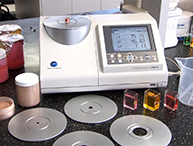
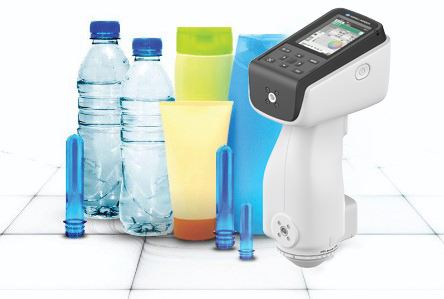
A prime example of how important food industry color control is measuring the color of peanut butter. Peanut butter is one of the many products regulated by the United States Department of Agriculture (USDA), and the color of the final product is an important component of the final grading each batch receives. The USDA guidelines include the lighting, conditions, product application, and other minor details to be maintained during the batch’s inspection, and provides sample cards similar to paint chips to use as a comparison. Measuring the color of peanut butter involves creating the perfect set-up, and then hoping that the assembled reviewers all agree on the slightest variations in tans and browns — all of which can be time-consuming and, in turn, expensive. And if the batch is off, the entire vat is lost. Colorimeters have made the tedious task of food industry color control much simpler by allowing manufacturers to quickly scan products at multiple steps in the process and instantly know if the color matches the shade they were aiming for. New products can even allow the USDA specifications to be loaded into the instrument, making measuring the color of peanut butter a treat.

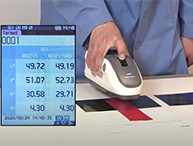
Bakeries also utilize colorimeters for food industry color control to keep everything from cookies to burger buns the right shade of golden brown. In order to keep line workers in quality control from relying simply on their eyes and a photo of an ideal color, easy-to-use hand-held units allow companies to set their preferred color right into the device and quickly know if the goodies on the line match up.

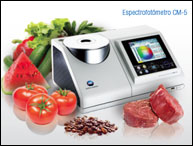
Colorimeters, are ideal for helping manufacturers ensure their products have the right visual appeal and doneness perception. They can even help in sorting products to determine if produce is ripe or has begun to spoil. And like with the peanut butter, they can help measure the USDA grading and other standards on products like coffee, french fries, and tomatoes.

Such devices have the power to save hours of time monitoring food industry color control in one simple step, allowing consumers around the world to enjoy their groceries at first sight.

Share
Author Bio:
Randy Klimek, Project Manager, Konica Minolta Sensing Randy is a graduate of Rochester Institute of Technology's Imaging and Photographic Technology B.S. with minor in Mathematics. He has held positions with the Department of Enegry's Laboratory for Laser Energetics, GretagMacbeth, and X-rite. Currently he holds the position of Project Manager for Color and Appearance product lines with Konica Minolta Sensing Americas.
Randy Klimek

3 Responses to How Food Companies Measure Color to Produce Superior Products

  1. googlepo says:

    Thank you very much for that magnificent article

  2. Hi! I wish to say that this post is awesome, great written and include approximately all important information. I’d like to see extra posts like this.

  3. Agatha says:

    Finidng this post. It’s just a big piece of luck for me.

Leave a Reply

Your email address will not be published. Required fields are marked *

*

You may use these HTML tags and attributes: <a href="" title="" rel=""> <abbr title=""> <acronym title=""> <b> <blockquote cite=""> <cite> <code> <del datetime=""> <em> <i> <q cite=""> <strike> <strong>