


Textile Color Measurement
From dye to material, Konica Minolta Sensing Americas offers high performance instruments that meet quality standards for the textiles and apparel industry. These solutions allow users to accurately control, evaluate, formulate and reproduce, the color and appearance of various samples, including dyes, fabrics, yarns, and fibers, in a more streamlined process internally and throughout the supply chain. As a result, consistency can be maintained and color quality standards can be met with less waste, time, and effort.
Color Measurement Solutions for Textiles
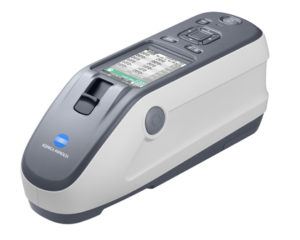
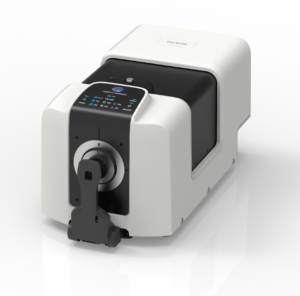
The following products are our most recommended for Textile Color Measurement, our specialist team can help to advise you on which product is best suited for your needs:
Frequently Asked Questions
What is Color Measurement In Textiles?
Color measurement in textiles is the quantitative evaluation of a fabric’s color to ensure accuracy, consistency, and alignment with design or production standards. Using spectrophotometers like Konica Minolta’s CM‑26dG (high-precision hand-held instrument ) and CM‑36dG (laboratory-grade instrument), manufacturers can objectively capture both color and gloss—critical for materials whose appearance changes with texture and finish. These instruments measure reflected light across the visible spectrum and translate it into standardized color spaces (such as CIE L*a*b*) so teams can digitally communicate color globally without subjective visual variation. In textile workflows, this ensures reliable color matching between batches, suppliers, and product lines, reducing rework and improving quality and sustainability. Ultimately, color measurement enables predictable, repeatable color reproduction from initial design through final production. If the fabric/material has optical brighteners, the UV control on each instrument should be used and calibrated
How to Calibrate Textile Color Measurement Instruments?
There are two types of calibration: Daily (user) and Annually (service engineer)
Daily Calibration
Calibrating textile color measurement instruments ensures that every reading is accurate, repeatable, and aligned with global color standards. For Konica Minolta’s CM‑26dG and CM‑36dG, calibration is a quick but essential routine performed at the start of each measurement session—or whenever environmental conditions change (+/- 5 C)
How to Calibrate Textile Color Measurement Instruments (CM‑26dG & CM‑36dG):
- Warm‑Up Period: Allow the instrument to reach thermal stability (typically a few minutes) to ensure the light source and sensors stabilize.
- White Calibration: Place the supplied certified white calibration tile on the measurement port and initiate the white‑calibration routine; this sets the instrument’s baseline reflectance.
- Black Calibration: For instruments equipped with a black trap (both the CM‑26dG and CM‑36dG), perform a black calibration by measuring the light‑absorbing black cavity to establish the zero‑reflectance point.
- Gloss Calibration (for “dG” models): Because both instruments measure color + 60° gloss, use the supplied gloss‑calibration standard to ensure gloss readings remain accurate—critical for textiles with sheen, coatings, or finish variations.
- Calibration intervals: Instruments should be calibrated prior to each shift (or every 8 hours) and/or if there is a temperature shift of +/- 5 C.
When performed routinely, these calibration steps guarantee that your textile color measurements remain consistent across batches, operators, and global production locations.
Annual Calibration
Annual service calibration is a comprehensive, factory‑level recalibration performed to ensure the CM‑26dG and CM‑36dG continue to measure color and gloss with high accuracy. Over time, internal components such as light sources, sensors, illumination optics, and gloss detectors can drift due to normal aging or environmental exposure, making annual service essential for maintaining traceability to international standards. During the service, Konica Minolta technicians perform a full diagnostic check, replace or adjust internal components as needed, clean and realign the optical system, and recalibrate the instrument against certified reference standards that are far more precise than the daily user calibration tiles. The process concludes with a new calibration certificate, confirming the instrument meets factory specifications and remains compliant for quality system audits. Regular annual service calibration ensures long‑term measurement stability, minimizes color‑related production errors, and extends the operational life of the instrument.
For more information about annual calibration please click here.
Resources
We have a wide range of resources looking at color measurement, here are some of the most popular:
High Visibility Safety Apparel
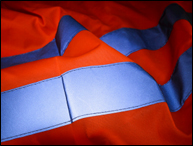
High-visibility safety apparel (HVSA) or high-visibility clothing (HVC) is a type of clothing or personal protective equipment. The type of clothing varies from vests, bibs and overalls, which has highly reflective properties or a color that is easily noticeable from any background.
Why U.S. brands should not wait for federal textile recycling laws
Read our blog to find out how Specim Retext can support the latest updates in the textile recyling industry.
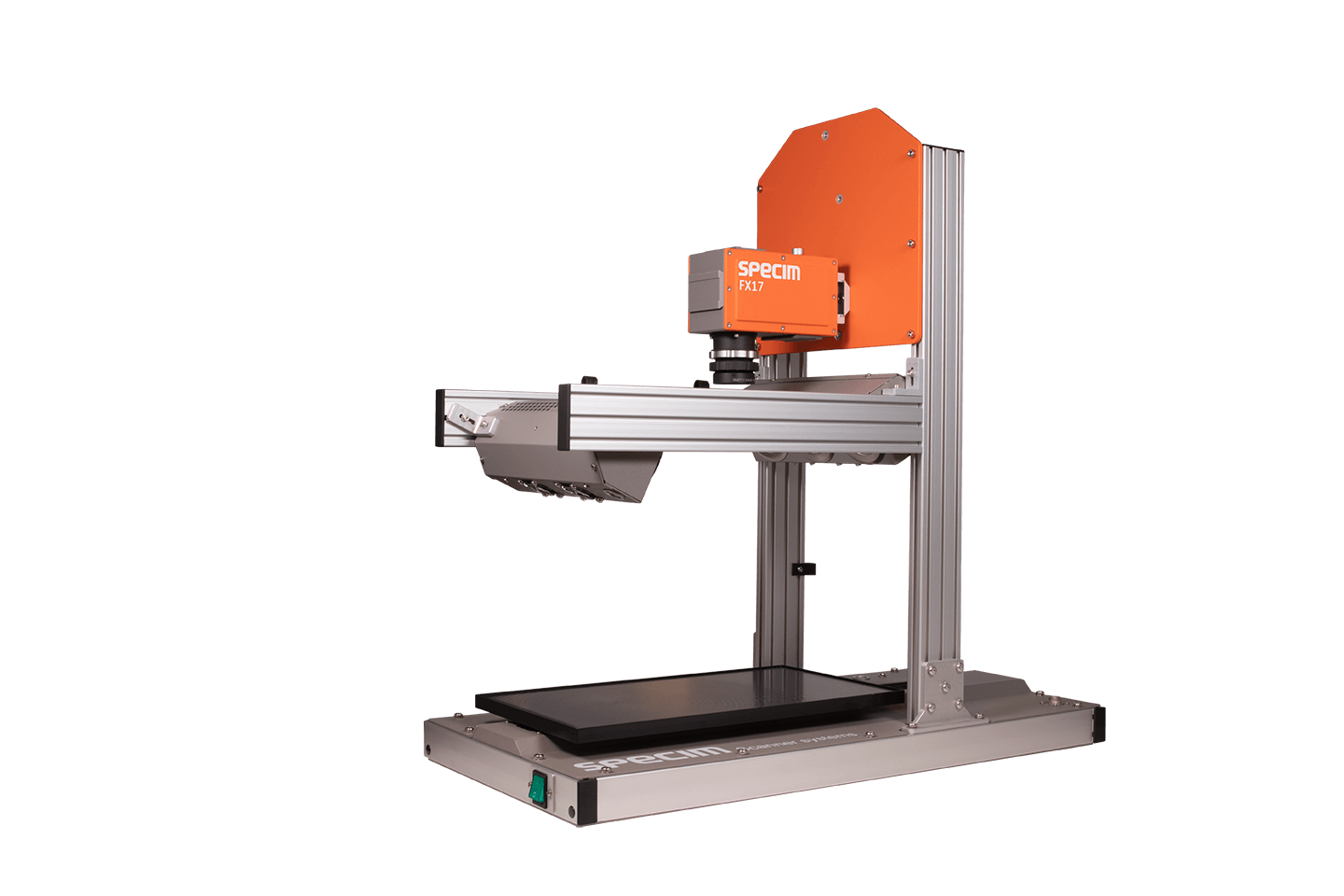
Textile Recycling Hyperspectral Imaging
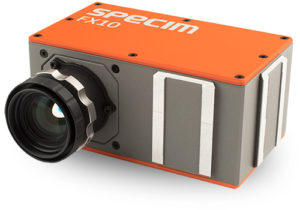
The U.S. textile sector is under increasing scrutiny to cut down on waste and adopt more sustainable practices. Each year, enormous quantities of discarded fabrics are sent to landfill, while fashion brands and producers face rising expectations from consumers for greater transparency alongside new regulatory requirements. SpecimRETEX has been developed to address these challenges, offering an innovative approach that converts textile waste into reusable, high-value materials.
SpecimRETEX integrates advanced hyperspectral imaging from Specim with sophisticated artificial intelligence to identify textile compositions quickly and accurately in real time. Built for large-scale industrial environments, the system allows recycling facilities, sorting centers, and manufacturers to streamline automated sorting operations while creating opportunities for additional revenue from recovered materials.
SpecimRETEX combines Specim hyperspectral imaging technology with advanced AI algorithms to deliver real-time, high-accuracy textile material recognition. Designed for industrial-scale operations, SpecimRETEX enables recyclers, sorters, and manufacturers to automate sorting processes and unlock new revenue streams.